


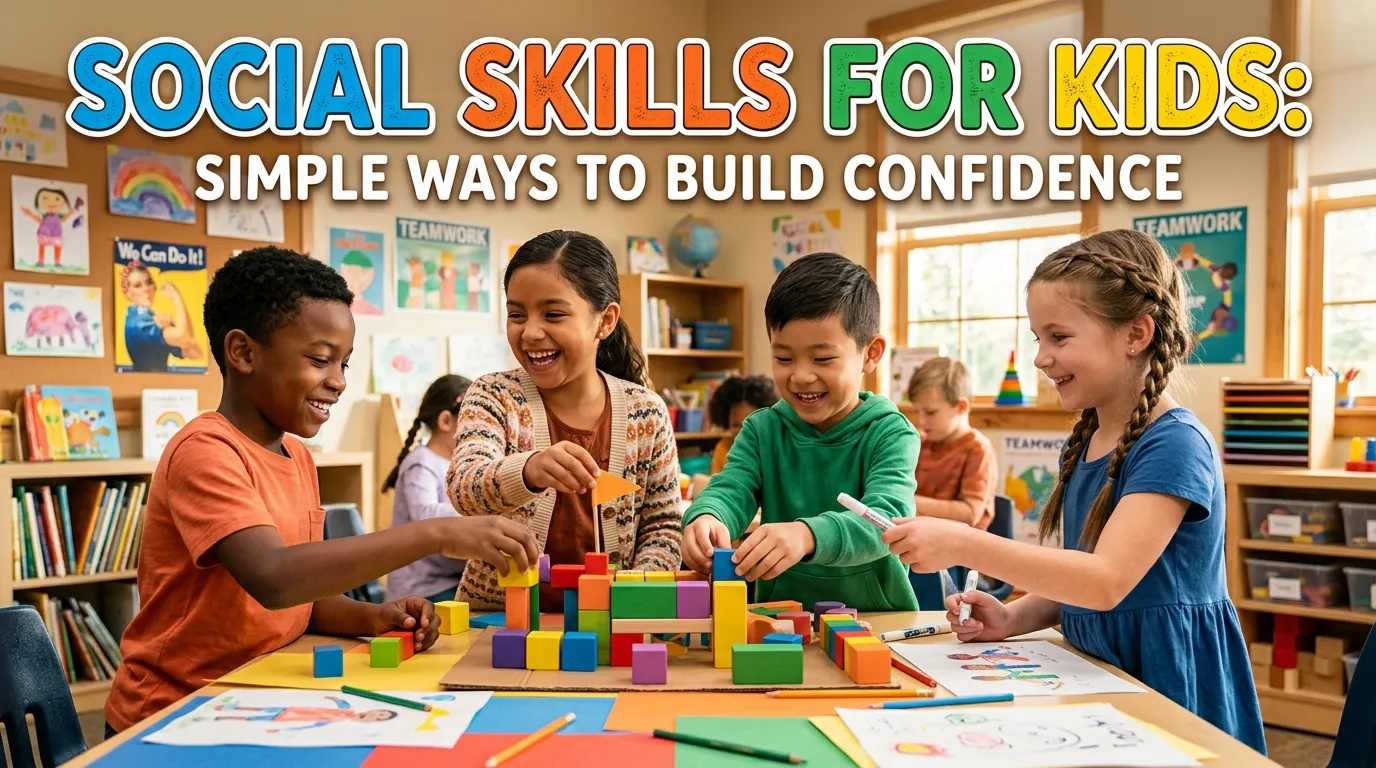
Teaching social skills for kids is essential for their overall development, helping them build lasting friendships, navigate daily challenges, and foster lifelong confidence and empathy.
This comprehensive guide explores actionable ways to nurture strong communication and emotional intelligence in children. You will learn age-specific milestones, discover over twenty engaging activities, and gain valuable strategies to support neurodiverse learners, ensuring your child thrives in any environment.
Why Social Skills for Kids Matter
Developing strong social skills for kids is about much more than just learning to say please and thank you. It encompasses the vital abilities required to interact effectively with others, manage emotions, and build healthy, lasting relationships. When children learn how to communicate their needs and listen to others, they experience fewer frustrations and behavior issues.
Social skills for kids provide the foundation for academic success and personal well-being. Children with strong interpersonal abilities are generally more confident, adapt better to new situations, and are more capable of handling the inevitable conflicts that arise on the playground or in the classroom. By prioritizing these abilities early on, parents and educators set children up for a lifetime of positive interactions. Furthermore, mastering these early lessons heavily influences cognitive development and long-term mental health.
Core Abilities to Cultivate in Children
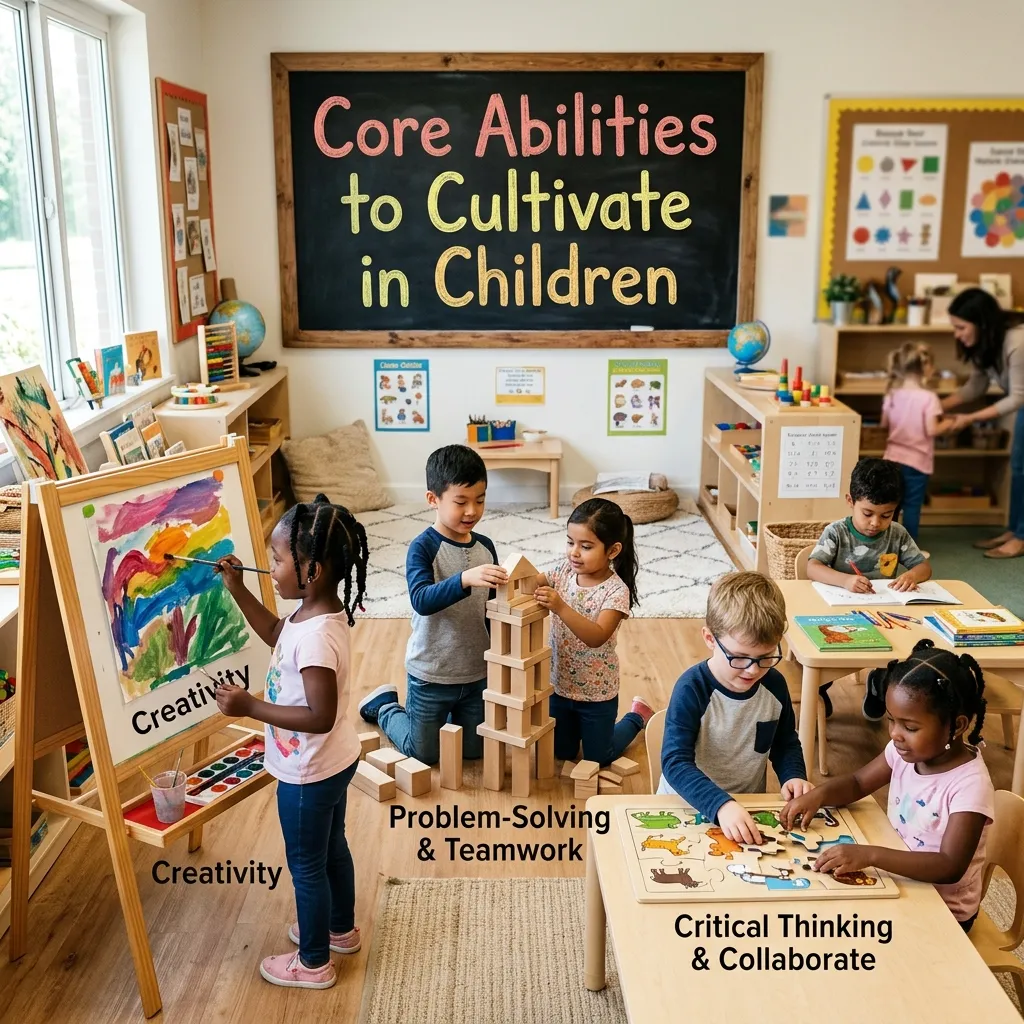 To effectively improve social skills for kids, it helps to break them down into specific, actionable abilities that children can practice daily.
Empathy and Understanding
Empathy is the ability to recognize and share the feelings of another person. It is a cornerstone of positive relationships. Teaching children to pause and consider how their friend might feel after losing a game or dropping a toy encourages compassion.
Active Listening
Active listening goes beyond just hearing words; it means paying attention, making eye contact, and responding thoughtfully. This is critical for academic environments and personal friendships.
Cooperation and Teamwork
Whether building a block tower or participating in a group project, cooperation teaches children that working together often yields better results than working alone. It requires patience, sharing, and compromise.
Emotional Regulation
Emotional regulation allows children to manage big feelings like anger or excitement without acting out inappropriately. Recognizing bodily cues and using calming strategies, such as deep breathing, are vital skills.
Developmental Stages of Social Growth
Social skills for kids look vastly different depending on their age and developmental stage. Understanding these milestones helps you set realistic expectations and offer appropriate support.
The Preschool Years (Ages 3-5)
Preschoolers are just beginning to understand that other people have feelings and thoughts separate from their own. At this stage, social skills for kids focus on the basics of interaction.
- Key Milestones: Beginning to share toys, taking turns with adult guidance, and engaging in imaginative play with peers.
- How to Support: Facilitate short playdates, model sharing behavior, and use simple language to label emotions (e.g., “You look happy!”).
The Elementary Years (Ages 6-11)
During the elementary school years, the social world expands dramatically. Friendships become more complex, and peer acceptance grows in importance.
- Key Milestones: Understanding unwritten social rules, working effectively in groups, maintaining longer-lasting friendships, and beginning to understand sarcasm or jokes.
- How to Support: Encourage participation in team sports or clubs, discuss the nuances of friendship, and role-play difficult scenarios they might face at school.
The Pre-Teen and Teen Years (Ages 12-18)
Adolescence brings a shift toward independence. Peer groups become the primary social influence, and social skills for kids must evolve to handle more mature situations.
- Key Milestones: Navigating peer pressure, developing romantic interests, utilizing advanced conflict resolution, and demonstrating deep empathy.
- How to Support: Maintain open lines of communication without judgment, respect their growing need for privacy, and discuss digital etiquette and online interactions.
20 Actionable Activities and Games
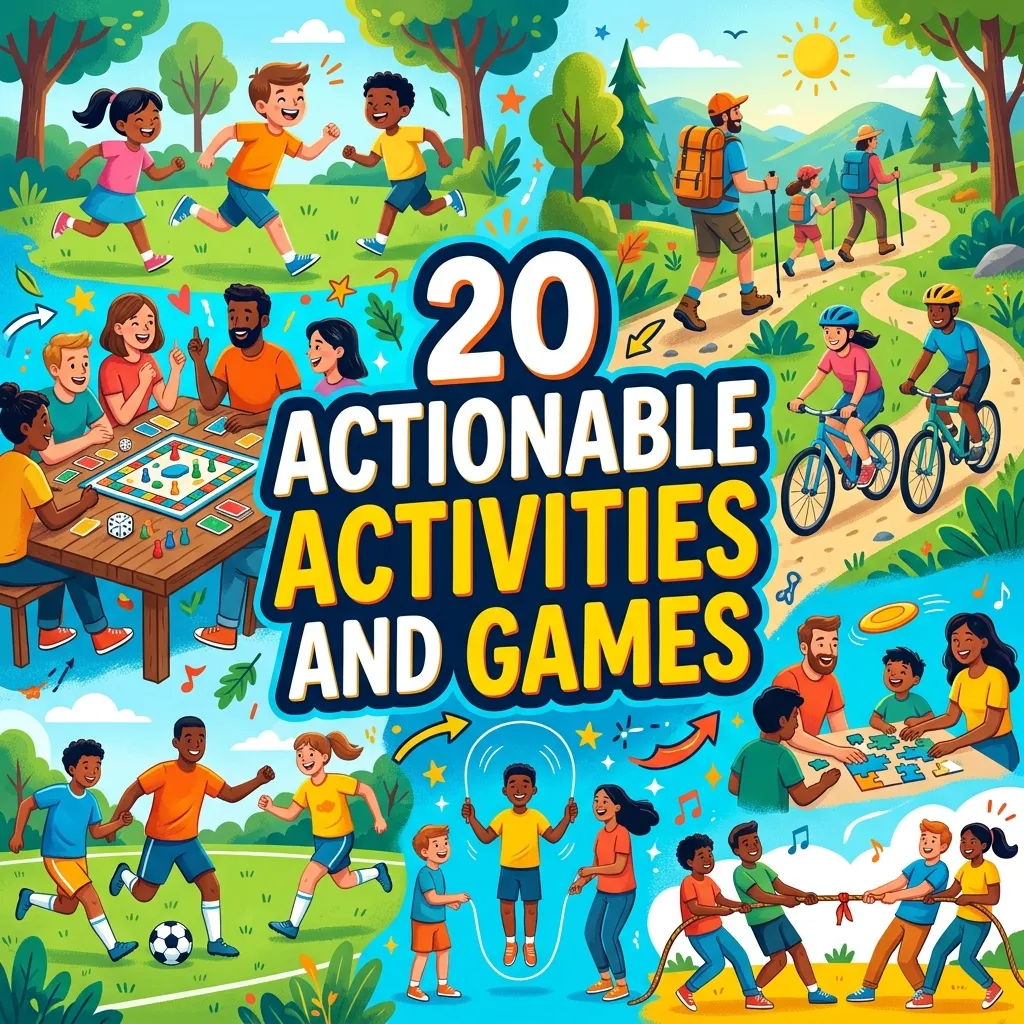 One of the most effective ways to teach social skills for kids is through play. Games naturally simulate social situations, allowing children to practice in a low-stakes, fun environment. Here are over twenty activities to try:
- The Staring Contest: Helps children who struggle with eye contact practice holding a gaze in a silly, pressure-free way.
- Emotion Charades: Write feelings on slips of paper. Kids draw a slip and act out the emotion without speaking, enhancing nonverbal communication reading.
- Roll the Ball: A simple turn-taking game for toddlers. Rolling a ball back and forth establishes the rhythm of a conversation.
- Simon Says: Develops impulse control, active listening, and the ability to follow directions accurately.
- Story Building: One person starts a story with one sentence, and the next person adds to it. This requires listening and collaboration.
- Board Games: Classics like Candy Land or Chutes and Ladders teach patience, taking turns, and how to be a gracious winner or loser.
- Role-Playing: Set up a pretend grocery store or doctor’s office. This allows kids to practice standard social scripts and greetings.
- The Topic Game: Pick a category (e.g., animals) and take turns naming an item in that category alphabetically. Builds conversational endurance.
- Scavenger Hunts: Pair children up to find hidden items. They must communicate, negotiate routes, and share the excitement of discovery.
- Feelings Bingo: Create bingo cards with different facial expressions. Call out an emotion, and kids must find the matching face.
- Mirror Mirror: One child moves, and the other must mirror their movements exactly. Promotes intense focus and observational skills.
- Building Blocks Together: Give children a shared goal (e.g., build the tallest tower). They must negotiate which block to place.
- Show and Tell: Allows children to practice public speaking and sharing something they love, while the audience practices active listening.
- Puppet Play: Children often find it easier to express difficult emotions through a puppet rather than directly.
- Musical Chairs: Teaches spatial awareness, following rules, and managing the disappointment of being “out.”
- Compliment Circle: Sit in a circle and pass a ball. Whoever has the ball must give a genuine compliment to the person next to them.
- Telephone: Whisper a phrase around a circle. Shows the importance of speaking clearly and listening closely.
- Obstacle Courses: Have one blindfolded child navigate a safe space guided only by the verbal instructions of a peer.
- Community Gardening: Caring for plants together teaches responsibility, patience, and the value of shared community effort.
- Team Sports: Joining a local soccer or basketball league offers structured practice in cooperation, following rules, and peer interaction.
Supporting Neurodiverse Children
When discussing social skills for kids, it is vital to recognize that neurodiverse children—such as those with Autism Spectrum Disorder (ASD) or ADHD—may process social information differently. Standard social expectations can sometimes feel overwhelming or confusing.
Focus on their strengths and interests. If a child loves trains, joining a club centered around trains provides a natural, comfortable environment for them to practice social skills for kids with like-minded peers. Positive reinforcement is incredibly powerful here; celebrate the small victories, like a successful greeting or a shared toy.
Common Mistakes to Avoid
While guiding children, adults often make well-intentioned mistakes that can hinder social development.
- Forcing Apologies: Forcing a child to say “I’m sorry” before they understand why they are apologizing often breeds resentment. Instead, focus on making amends, like helping to rebuild a knocked-over tower.
- Helicopter Parenting: Jumping in to solve every minor playground squabble prevents children from practicing conflict resolution. Give them space to work it out, stepping in only if it becomes physical or overly aggressive.
Play Comparison: Independent vs. Cooperative
Understanding the types of play can help you guide your child’s social development.
|
Play Type |
Definition |
Key Benefits |
Best For |
|---|---|---|---|
|
Solitary Play |
Playing alone, focused on personal activity. |
Builds independence, creativity, and focus. |
Toddlers or older kids need a sensory break. |
|
Parallel Play |
Playing alongside others without direct interaction. |
Introduces the presence of peers; builds comfort. |
Preschoolers transitioning to group settings. |
|
Cooperative Play |
Playing together toward a common goal or shared rules. |
Enhances teamwork, negotiation, and sharing. |
Elementary age and older; advanced social practice. |
Cultivating a Positive Environment at Home
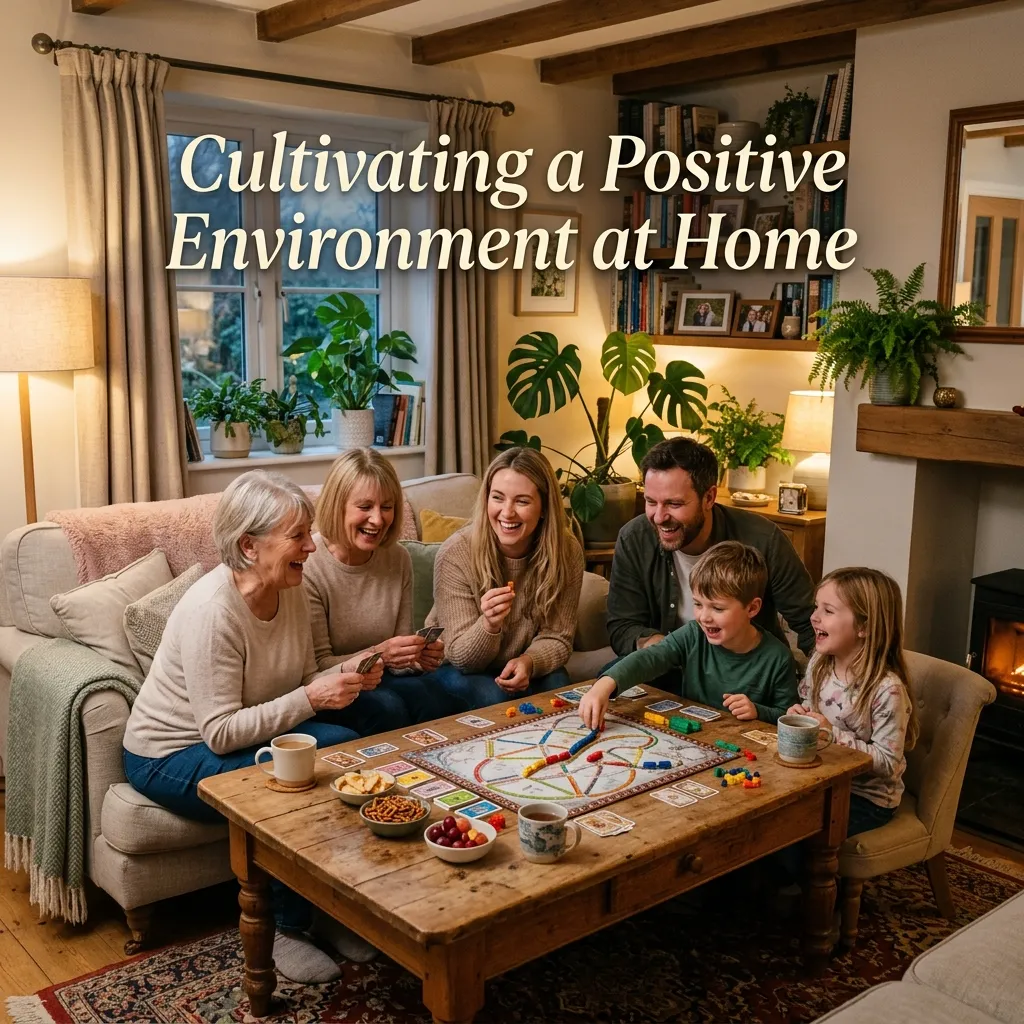
The home is the first classroom for social skills for kids. Children constantly observe how their parents and caregivers interact with each other, with neighbors, and with service workers. Modeling polite, respectful, and empathetic behavior is one of the most powerful ways to develop social skills for kids effectively.
Make time for family meals without screens, encouraging everyone to share something about their day. Validate your child’s feelings, even when they seem irrational, to build emotional vocabulary—an essential part of social skills for kids development. Creating a supportive, loving environment at home gives children the secure base they need to step out into the world and navigate social complexities with confidence.
Building social skills for kids is not an overnight process. It requires consistency, patience, and a willingness to let children make mistakes and learn from them. The effort invested in teaching social skills for kids pays off exponentially as they grow into well-adjusted, capable adults.
Frequently Asked Questions
1. What are the most important social skills for kids to learn early on?
The foundational social skills for kids include sharing, taking turns, active listening, and using basic manners like saying please and thank you. These early skills set the stage for more complex interactions like empathy and conflict resolution later in life.
2. How can I tell if my child is struggling with social development?
Signs that a child may be struggling include consistently avoiding eye contact, frequent aggressive outbursts during play, an inability to share even with adult guidance, and extreme reluctance to engage with peers. If you notice these patterns, observing them in different settings can help identify specific challenges.
3. Do video games help or hurt social skills for kids?
Video games can do both. Multiplayer games that require teamwork and communication can actually foster cooperative skills and strategic planning. However, excessive solitary gaming that replaces face-to-face interaction can hinder the development of vital in-person communication cues.
4. How can I help my shy child make friends?
Do not force your shy child into overwhelming large-group situations. Instead, arrange one-on-one playdates in a comfortable environment. Teach them simple conversation starters and practice role-playing introductions to build their confidence gradually.
5. Why is emotional regulation considered a social skill?
Because our emotions dictate how we react to others. If a child cannot regulate their anger when losing a game, they will struggle to maintain friendships. Managing internal feelings is critical for maintaining positive external relationships.
6. Can social skills be taught to older children or teenagers?
Absolutely. While it is beneficial to start early, teenagers can learn advanced social skills such as active listening, reading complex body language, and digital etiquette. Open discussions and modeling positive behavior are highly effective for older children.
7. How does parallel play help my toddler?
Parallel play—where toddlers play next to each other but not directly with each other—helps them become comfortable with the presence of peers. It is a necessary developmental stepping stone before they are ready to engage in direct cooperative play.
8. What should I do if my child frequently interrupts others?
Interrupting is common as children learn impulse control. Establish a visual cue, such as a gentle hand on their shoulder, to remind them to wait. Praise them enthusiastically when they successfully wait their turn to speak.
9. How do social stories help neurodiverse children?
Social stories visually and verbally map out specific social situations, explaining what will happen and what the expected behavior is. This predictability significantly reduces anxiety and provides a clear script for neurodiverse children to follow.
10. How long does it take to see improvements in social skills for kids?
Developing these abilities is a marathon, not a sprint. Depending on the child and the consistency of the practice, you might see small changes in a few weeks, but building deep, lasting social competence takes years of continuous reinforcement and maturity.
